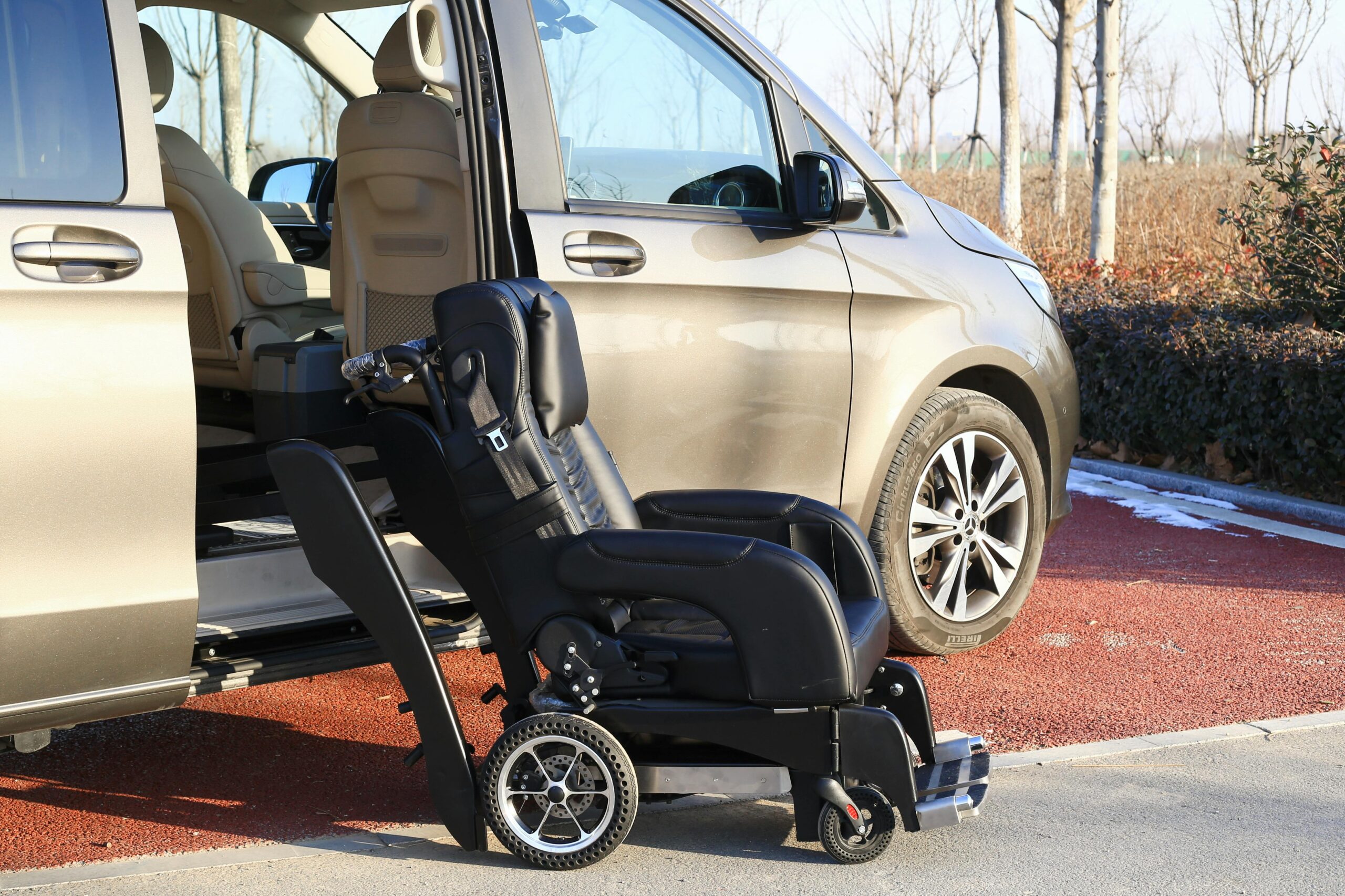
Wheelchair accessible vehiclesChanges in mobility tend to bring practical decisions to the surface very quickly. Transport often sits near the top of that list. Daily routines, medical appointments, family outings and simple errands all rely on getting from place to place with ease and 815 considered during these periods, especially when timing, budget, or availability limit options. Clear thinking helps, yet several factors still slip past initial discussions.
Transport choices shape independence, comfort, and safety. Attention to overlooked details can prevent frustration later and support better long-term use.
Space Inside the Vehicle Matters More Than Exterior Size
A vehicle can appear generous from the outside, yet feel restrictive once a wheelchair enters the picture. Interior measurements deserve careful thought early on. Wheelchair width, turning clearance, and head height affect comfort every single trip.
Floor layout plays a big role. Rear-entry designs suit some households, while side-entry layouts may better support passengers who need closer access to the driver. Seating flexibility also matters. Some families discover that their favourite seating arrangement disappears once the wheelchair position is set.
Confidence improves when interior space is assessed properly rather than guessed. Many people researching quality used WAVs find reassurance in vehicles from suppliers like Allied Mobility that have already been adapted with proven layouts. Used WAV vehicles often provide that clarity, since the advice can be based on real use rather than plans on paper.
Safety Features Are Not Always Obvious at First Glance
Safety systems rarely stand out during a quick viewing. Wheelchair restraints, occupant belts, and tested seating form the backbone of safe travel, yet these features often sit quietly in the background.
A proper restraint system keeps the wheelchair secure during sudden stops or uneven road surfaces. Anchor points should feel solid and be positioned for ease of use. Some setups reduce strain for carers during loading, which matters over repeated journeys.
Safety questions frequently arise with used wheelchair-accessible vehicles. Documentation, inspection records, and evidence of compliance offer peace of mind. Used WAVs that have undergone clear checks tend to inspire greater trust, especially when long journeys or motorway travel become part of routine life.
Day to Day-to-day use Can Feel Very Different From a Short Test
Short demonstrations rarely reflect real conditions. Daily use introduces slopes, tight parking spaces, weather, and time pressure. Ramps behave differently on uneven ground, and gradients can change effort levels dramatically.
Repeated loading can highlight issues that remain hidden during a brief viewing. Ramp weight, grip in wet conditions, and door clearance all affect ease of use. Carers may notice fatigue building faster than expected.
Used WAV vehicles often suit people who value real-world feedback. Vehicles that have already been in service can reveal practical strengths and weaknesses more honestly. Observing how a vehicle performs during normal routines helps shape realistic expectations.
Availability and Timing Often Shape the Final Decision
Transport needs sometimes change suddenly. Hospital discharge, health changes, or family circumstances can create urgency. Time pressure often narrows choices, which makes preparation even more important.
Waiting months for a new conversion does not suit every situation. Used wheelchair accessible vehicles offer quicker access, helping families restore routines sooner. Availability can guide decisions more than personal preference, yet suitability still matters.
Balancing urgency with careful review reduces stress. Clear communication with suppliers and honest discussion about priorities can help ensure the chosen solution works beyond the immediate need.
The Conversion Matters More Than the Badge on the Front
Vehicle branding attracts attention, yet the conversion defines everyday experience. Ramp quality, flooring strength, and secure fixings shape long-term confidence far more than manufacturer reputation.
The build history offers reassurance, because vehicles converted by established specialists often follow consistent standards. Inspection reports and warranty details provide further clarity. Service support also plays a role once the vehicle enters regular use.
Used WAVs with a known conversion background tend to inspire trust. Familiar layouts and proven components reduce uncertainty, especially for those new to accessible transport.
Comfort Over Longer Journeys Is Easy to Underestimate
Comfort influences wellbeing, particularly during longer trips. Ride quality, noise levels, and suspension all affect how passengers feel on arrival. Wheelchair users often notice vibration or road feedback more acutely.
Seating position impacts social interaction and visibility. Sitting too far back can feel isolating, while closer positioning may improve conversation and comfort. Temperature control and ventilation also deserve attention, especially during warmer months.
Used WAV vehicles that prioritise comfort support more confident travel. Attention to these details helps ensure journeys remain manageable rather than exhausting.
Why These Details Matter Long After the Purchase
Transport choices affect daily life in quiet yet persistent ways. Rushed decisions often lead to compromises that surface later. A slower, more considered approach can pay off even when circumstances feel pressing.
Practical questions around space, safety, comfort, and timing deserve clear answers. Used wheelchair accessible vehicles provide options for many households, particularly when reliability and availability matter.
Support, information, and honest assessment help people move forward with confidence. A vehicle that fits real needs supports independence, routine, and peace of mind long after the initial decision has passed.
Collaborative post