As an Amazon Associate, I earn from qualifying purchases. This means I may earn a small commission if you use my affiliate links, but there's no extra cost for you!
My garden has had a bit of a different look to it this year. I love to spend time in the back garden, watching the wildlife and admiring everything come to life. I’ve really struggled this year, though, due to fatigue and the aches and pains that come with it. Even so, it’s been full of colour, charm, and life – all in a low maintenance garden I could actually manage!
In previous years, I’ve enjoyed planting out my borders (and even weeding sometimes!), but I just cannot manage it anymore. So I completely cleared them and sprinkled wildflower seeds in my back garden. This is an ideal low effort gardening option for spoonies like me.
That is alongside daisies and my favourites – nigella damascena (AKA love in a mist or devil in the bush) – that are still self-seeding from a few years ago!
Wildflowers & Welcome Guests
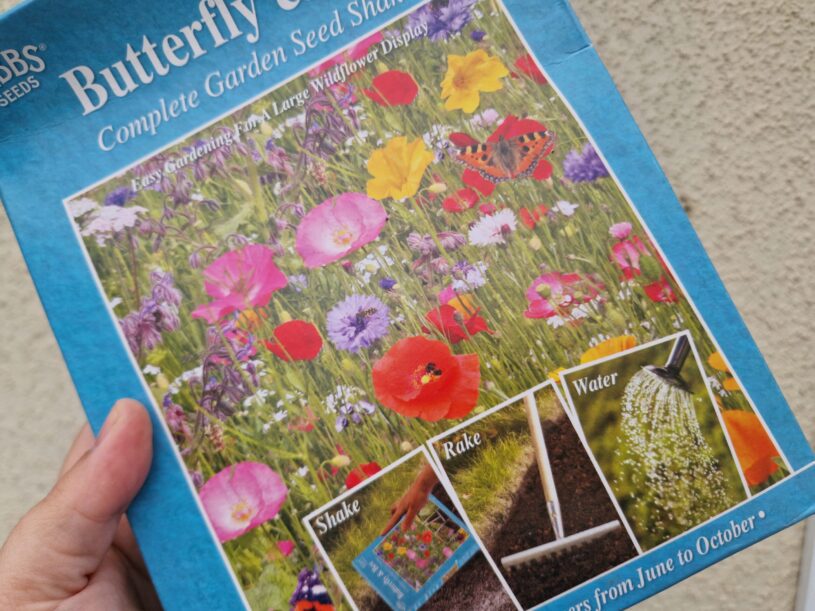
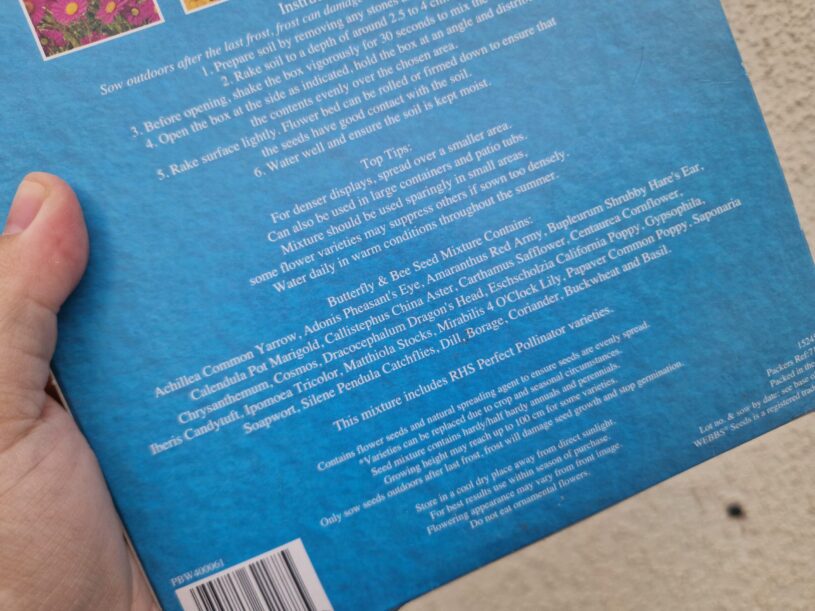
A box of wildflower seed mix is perfect and takes 10 minutes to prepare the area and sow. If you don’t want to buy on Amazon, you can also find them easily in the supermarket, garden centres, or your favourite bargain store. The butterfly & bee mix I used had some flowers I’ve heard of and some I haven’t, so I was excited to see what bloomed!
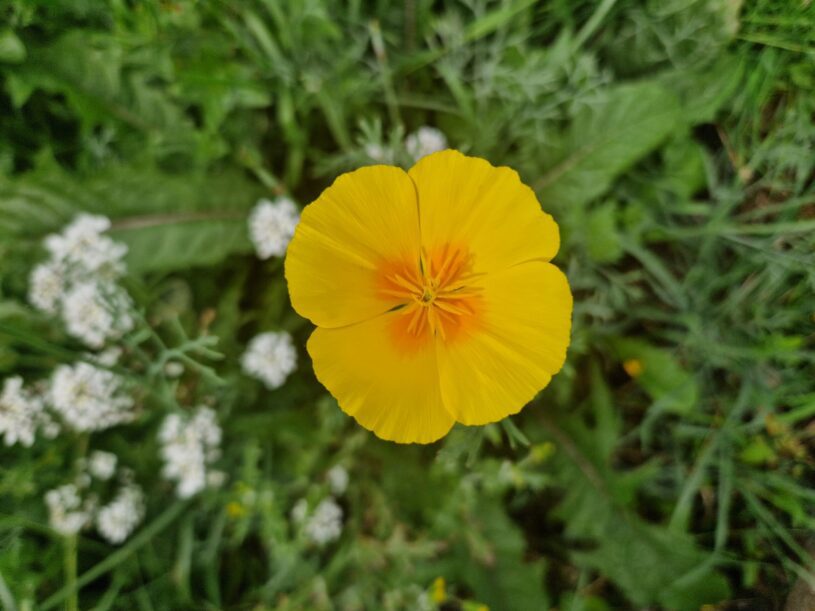
I have to be honest, I don’t think I shook the box very well, as I have large patches of the same flower in places. However, they started sprouting within a couple of weeks! The first to appear were beautiful California poppies, reminding me of buttercups. I soon discovered that they also close up at night. The butterflies have especially loved these!
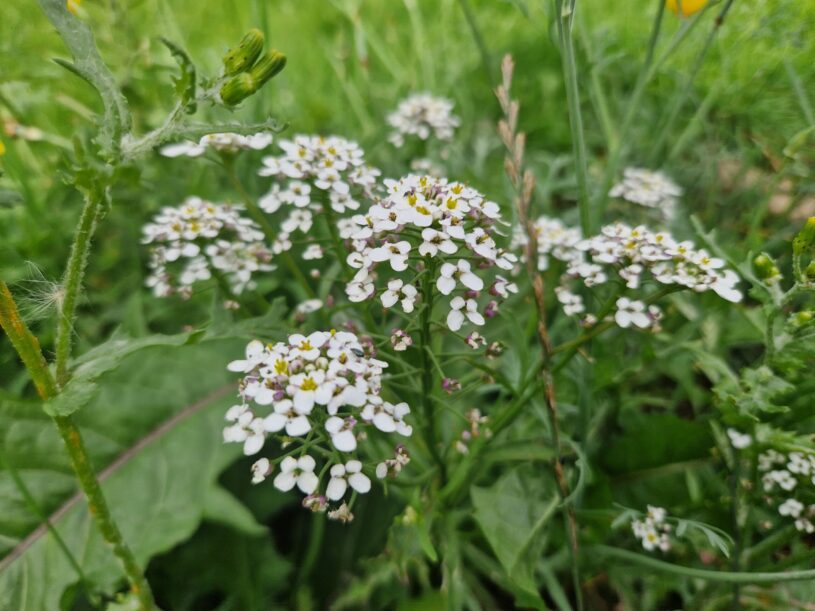
Iberis Amara (a.k.a candytuft) appeared alongside the poppies, and Gypsophila Vaccaria (a.k.a cowherb) popped up in one of my corner planters.
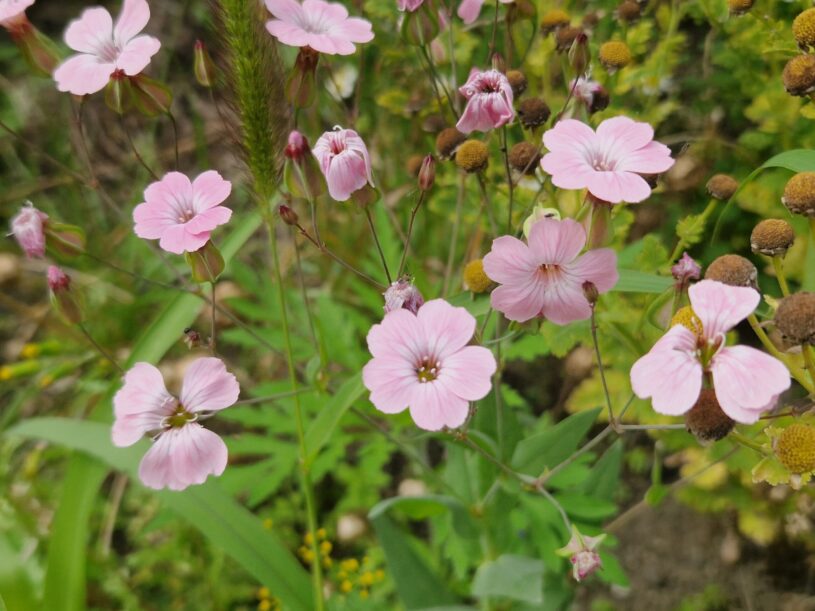
I discovered some forget-me-not and cut-leaved crane’s bill (part of the geranium family) at the very bottom of my garden. These aren’t from my seed mix, so they must have self-seeded from the mix I sowed a few years ago or from the field behind us. Either way, they were a lovely surprise!
Unexpected Guests (Thanks, Birds!)
A cluster of what I now believe is millet, green foxtail grass, and fat hen – not part of my wildflower mix, but growing right beneath the bird feeder was an unexpected surprise… I’m blaming the birds for that one, but I’m not even mad about it!
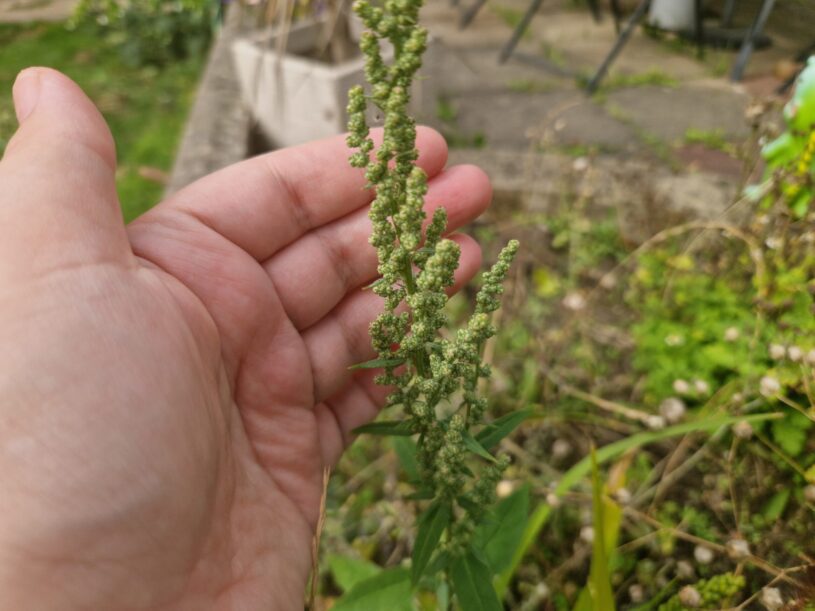
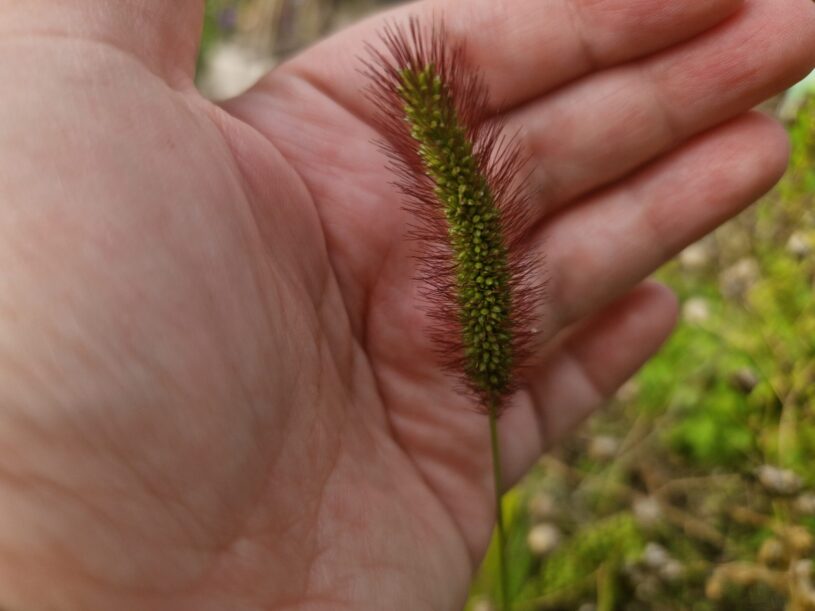
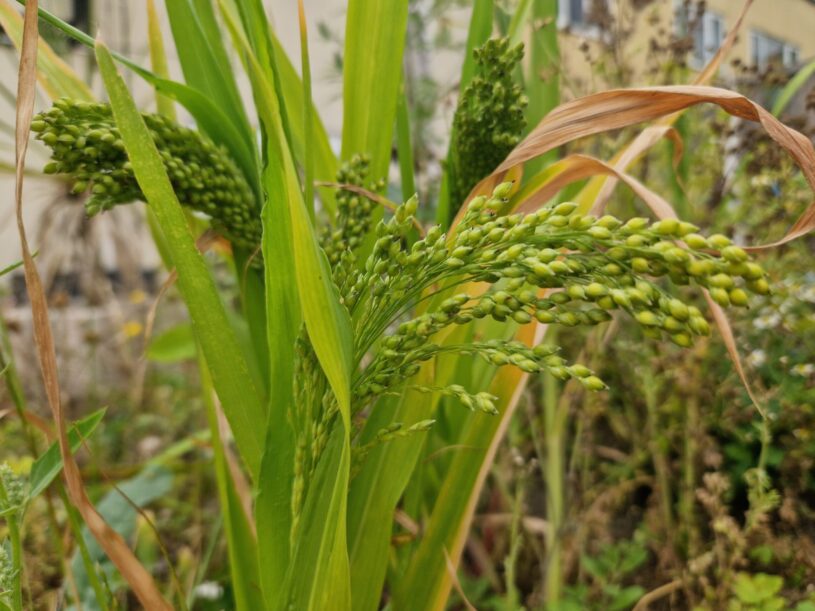
So if you want a true meadow vibe, just sprinkle some bird seed around…
The stars of the pots and hanging baskets
I did still enjoy a few trips around the garden centre to choose plants for my hanging pots and baskets! All these need are potting, hanging, and regular watering – which I can just about manage.
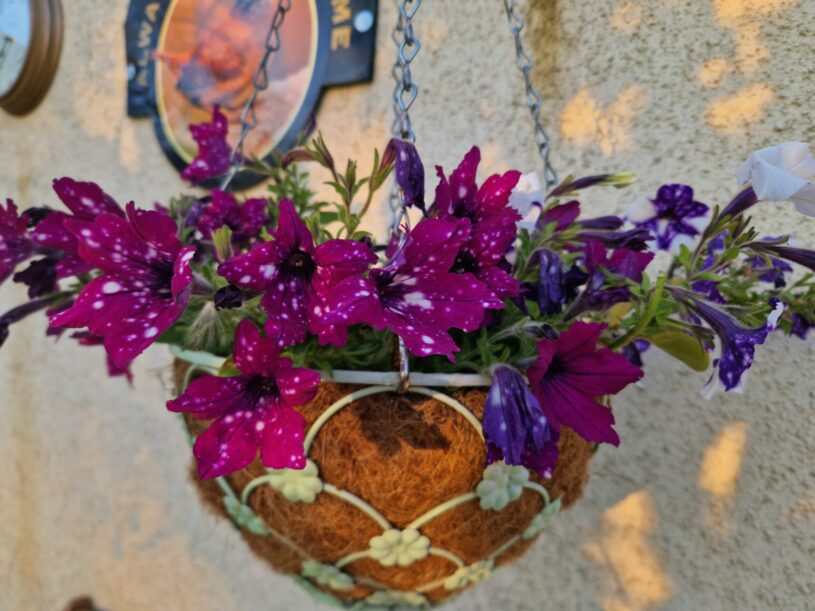
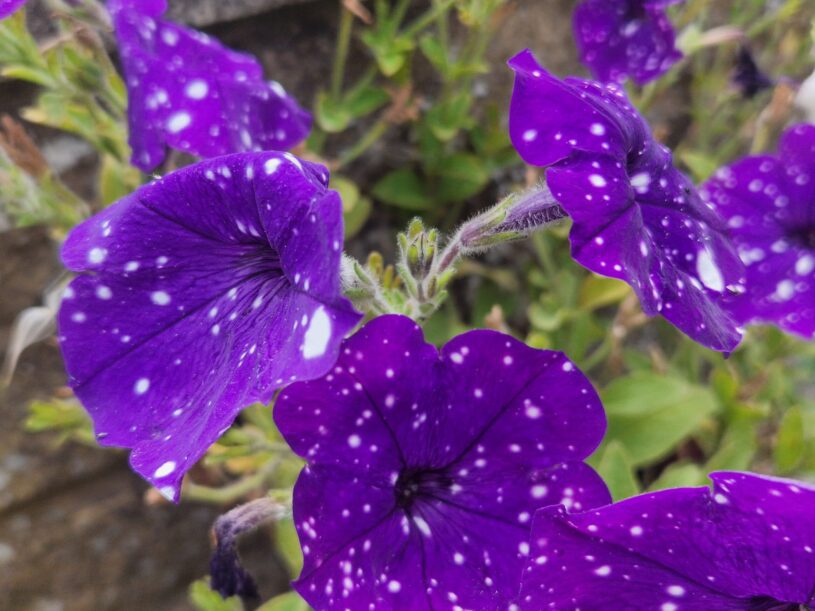
I could not resist these speckled petunias – they look stunning in baskets and containers. My favourite varieties are “night sky,” “lightning sky,” and “startunia.”
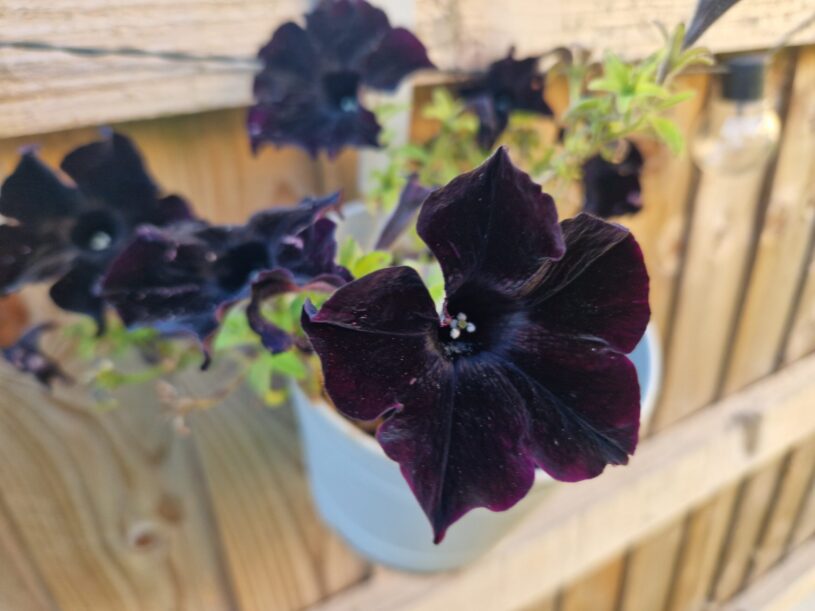
I also opted for one I’ve never seen before – the black velvet petunia. Such a deep, beautiful colour!
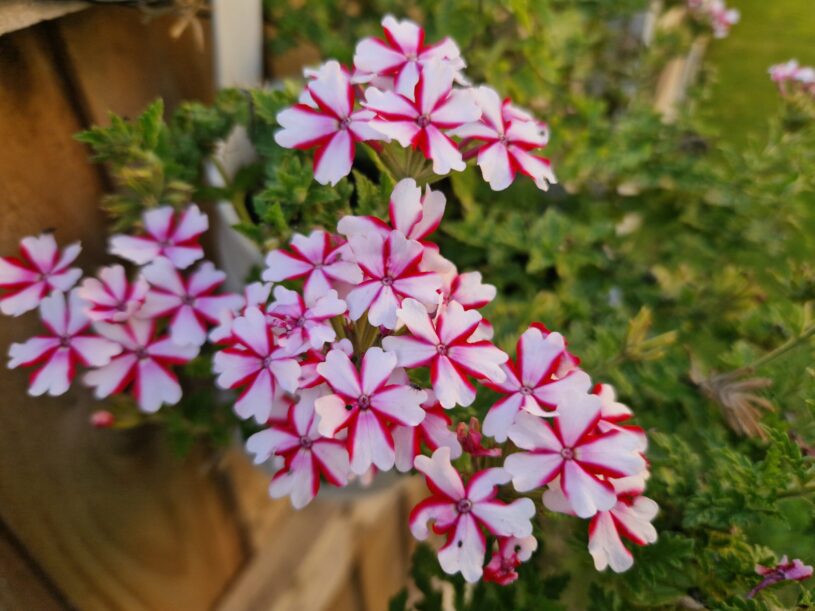
I buy this “candy cane” verbena every year. I usually put it in a mixed hanging basket, but this year I gave it its own pot.
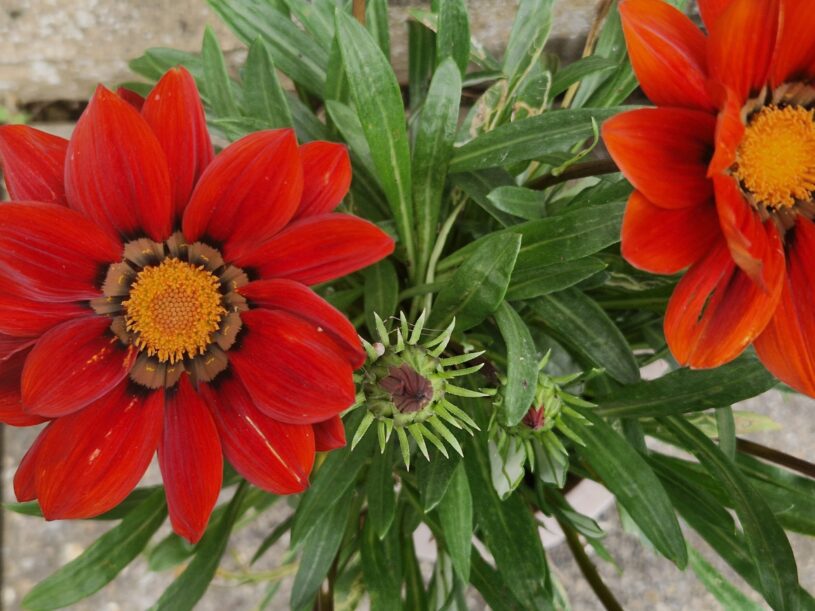
I love the colour of this gazania. These are really easy to care for – just keep it watered, remove the heads when they’ve died, and they keep blooming to give you colour through the summer.
A garden essential
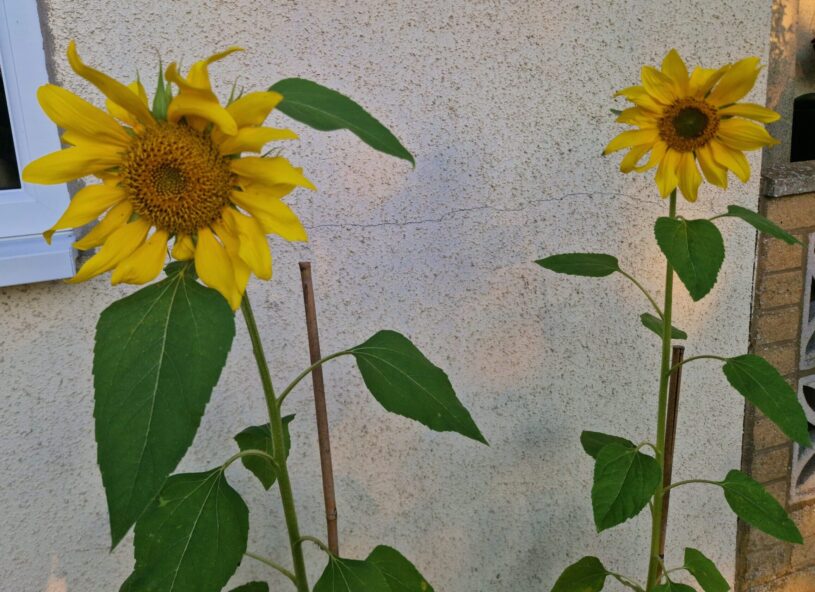
It wouldn’t be a country garden without sunflowers – and of course, the bees love these! Our village has a sunflower competition every year, and usually I leave it too late, but I got in early this year and actually planted my seeds! I managed to get around ten that were fully grown. They didn’t get very tall this year, but they were still beautiful to look at! Unfortunately, the strong winds took them out, even with canes to hold them up.
Wildflowers are perfect to scatter in spring, forget about them, and enjoy all summer for a low maintenance, eco-friendly garden. They’ve brought so much colour and life with so little effort – and for me this summer, that’s been perfect.
Even better, they don’t just benefit me – wildflowers also provide vital food and shelter for bees, butterflies, and other pollinators. WWF explains why wildflowers are so important in keeping nature’s systems thriving, which makes them a win all round.
Finally…
For me, a low-maintenance garden is all about being able to actually enjoy it, not just look at it. Adding something like a hammock instantly creates a relaxed space to unwind, and there are plenty of options available from Hammock Giant to suit different garden sizes and styles.
Collaborative post
Amazon and the Amazon logo are trademarks of Amazon.com, Inc, or its affiliates.