As an Amazon Associate, I earn from qualifying purchases. This means I may earn a small commission if you use my affiliate links, but there's no extra cost for you!
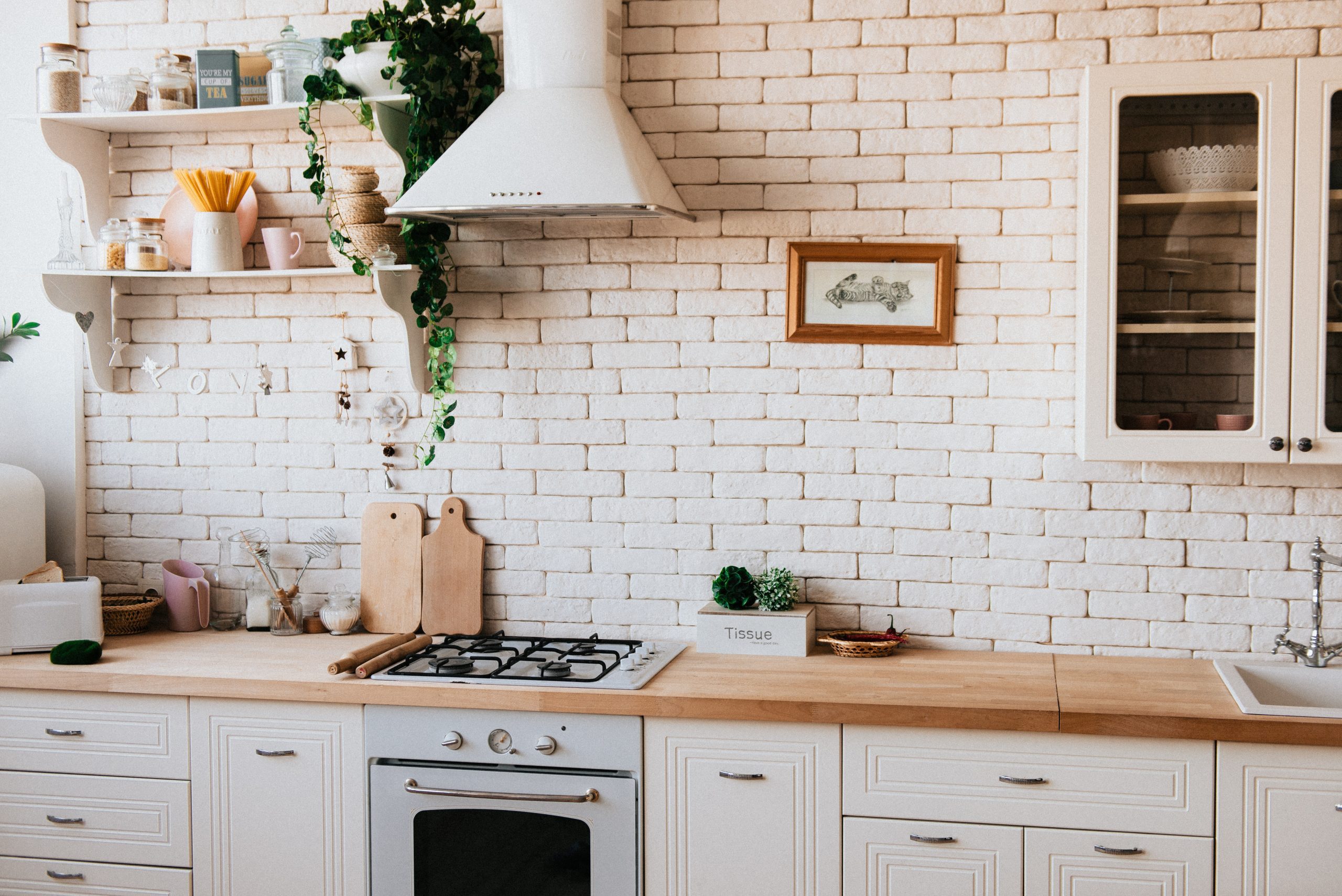 Photo by Dmitry Zvolskiy from Pexels
Your home is constantly changing to keep up with interior design trends that shift from year to year and the changes your family undergoes. The changes you make to your home can have a huge impact on your family and how comfortable they feel when they are home. Whether you are moving into a new home that needs a complete overhaul or if you are just making some small changes to your current design, here are some home design tips from kitchen design to bedroom ambiance to keep in mind.
Find Your Style
Before you can start making design choices, you need to find your own personal style. Because there are so many options for design, you need to know how you want your space to feel before you get started. If you don’t take the time to figure this out before you get started, you will end up confused, unable to make decisions, and with a mismatched design style.
If you are feeling overwhelmed by all the choices, you can start by looking in your closet. It may seem weird to take home design tips from your wardrobe, but the clothing you choose to wear is a huge indicator of what makes you feel comfortable and what you are drawn to visually.
Noticing if you are drawn to tailored or loose-fitting clothing, textures, and patterns will give you an idea of how you might want your home to feel as well. Words like traditional, elegant, playful, inviting, modern, monochromatic, or formal might come to mind as you look at your wardrobe. Use those words to guide your design plan as well.
Eliminate Options
Sometimes you can get some ideas for your design plan simply from figuring out what you don’t like. If you make a list of the things that you know you don’t like, that will help you narrow down your options and start you off in a good direction.
You might associate certain patterns, colors, or even pieces of furniture with unhappy memories and don’t want to include them in your own space. Recognizing these preferences will help you focus your search for the things that you do want to include in your home.
Work With Your Space
In order to create an ideal home, you need to work with the space you have when you pick out design ideas and pieces. The size of furniture you use in the space is going to have a huge impact on how space feels. You don’t want furniture that is too big or too small for the room because then it will seem disjointed.
It is helpful to start with the biggest items in the room and make sure they are appropriate for space and then build everything else around them. If you have a large room, then you might want to consider breaking it up into different areas like conversational seating, television watching, or work areas to make the space manageable.
While symmetry can be a helpful design principle, you want to make sure it isn’t forced. Some symmetry can be appealing to the senses, but if it is too rigid it will feel off. You want to balance the space and make sure the items you use are proportional and scale for the space you have in each room.
Use Paint Samples
The color you decide to paint your walls will have a huge impact on how the room feels. Your home may seem disjointed if you try to paint one room at a time without planning ahead. You should think about how different colors will affect the mood and atmosphere of the room. Brighter colors in the kitchen can help you feel invigorated and ready for the day each morning. Muted colors in the bedroom can help you relax and unwind at the end of each day.
If you narrow your color choices down, get a paint sample to put on your walls to consider before painting. You can see them at different times of the day and in different lighting to get an accurate representation of what they will actually look like in your home.
Mixed Price Points
When you start on your design journey, you should make a budget and plan ahead to make sure you stay within the budget. While you should look for deals to help you stay under budget, don’t be afraid to splurge on items that are truly important. Mixing your price points and having items that are more expensive mixed in with items that are more affordable can blend well together.
Collaborative post
Amazon and the Amazon logo are trademarks of Amazon.com, Inc, or its affiliates.
